




Comparison: standard cover vs quilted cover
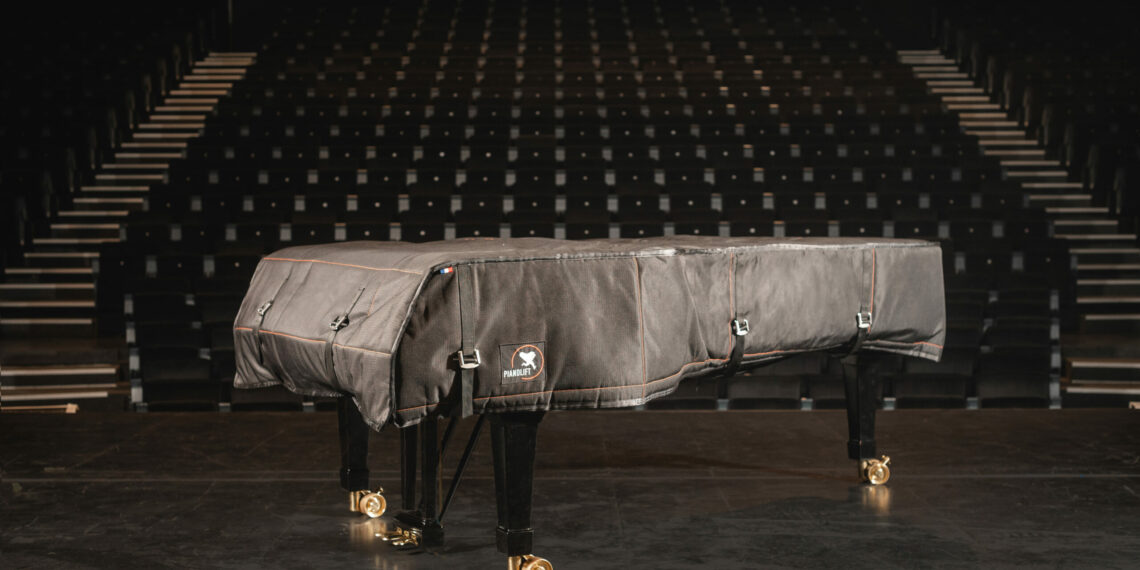
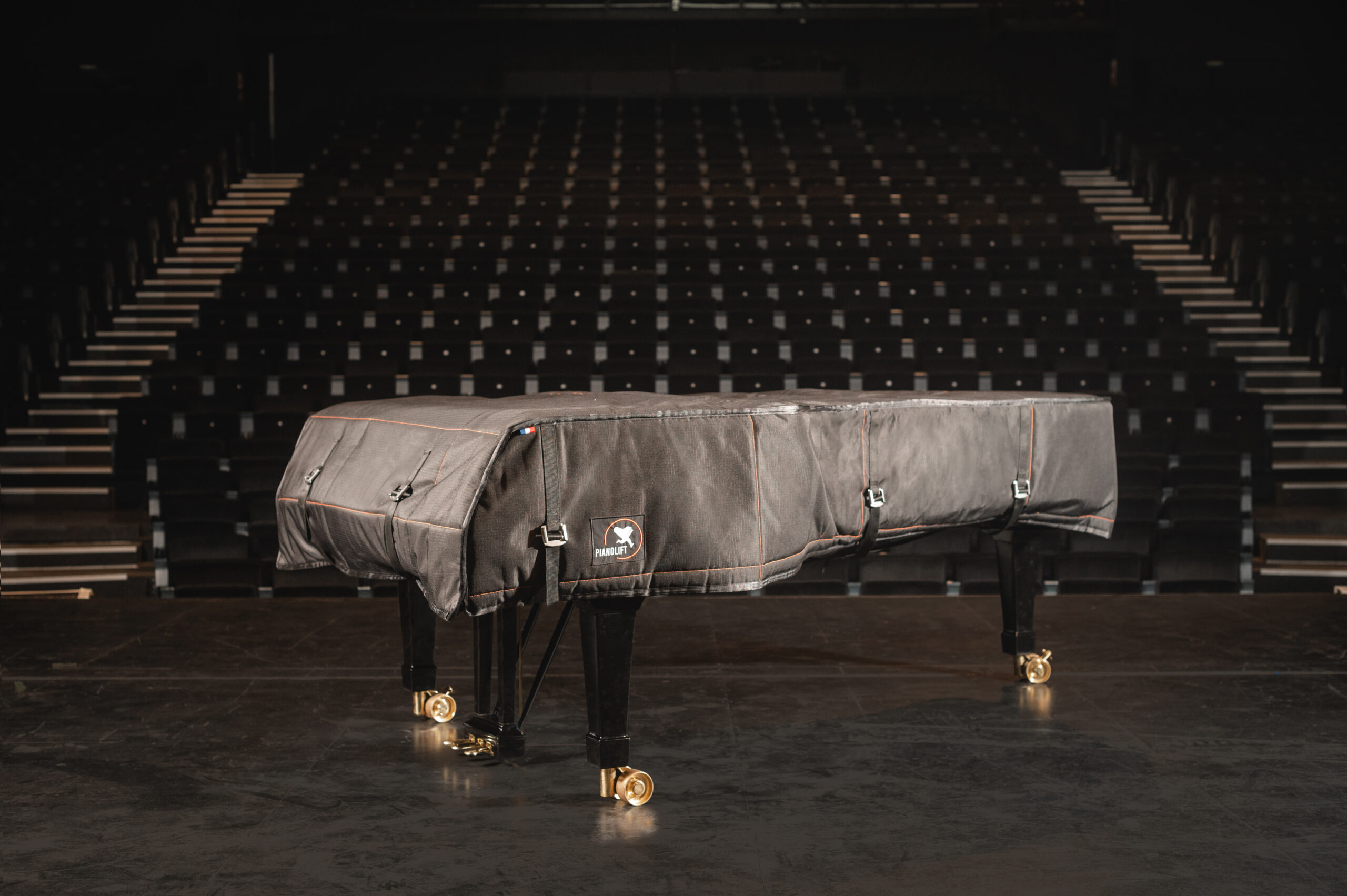
Protecting a grand piano isn't just about covering it from dust. Depending on its use, the room it's in, or how often it's moved, the choice between a standard cover and one quilted cover can have a real impact on the protection of the instrument.
Is a lightweight cover sufficient for a living room? Is a padded cover essential for transport or extended storage?
Here is our comparison to help you choose the best protection for your grand piano.
Standard cover and quilted cover: what are the differences?
The main difference lies in the level of protection.
A standard cover is usually made of a relatively lightweight fabric designed primarily to protect the piano from:
- dust; ;
- small stains; ;
- superficial traces; ;
- a part of the light.
A quilted cover adds a layer of padding which also helps to cushion minor bumps and friction.
Comparison at a glance
| Criteria | Standard cover | Quilted cover |
|---|---|---|
| Dust protection | Excellent | Excellent |
| Scratch protection | Good | Very good |
| Protection against minor impacts | Weak | Very good |
| Thickness | Fine | Thick |
| Weight | Light | Heavier |
| Daily handling | Very easy | Slightly less practical |
| Storage | Compact | More cumbersome |
| Transportation | Not very suitable | Recommended |
| Price | € | €€ to €€€ |
| Ideal use | Home | Transport, storage, intensive use |
What is a standard cover?
A standard cover is a relatively thin protective cover that conforms to the shape of the piano.
It is particularly suitable when the piano remains permanently in the same place.
Its main role is to prevent the accumulation of dust on:
- the lid; ;
- the keyboard; ;
- the lectern; ;
- the sides of the piece of furniture.
It can also limit the small marks left by daily handling.
The advantages of a standard cover
Lightweight and easy to install
A thin cover can be put in place in seconds.
This is especially practical if you use your piano daily and need to remove and replace the cover regularly.
Compact
Once folded, it takes up very little space.
It can therefore be easily stored in a cupboard or near the piano.
More economical
A standard cover is generally cheaper than a quilted one.
It is therefore an excellent solution for a piano installed in a relatively protected domestic environment.
The limitations of a standard cover
Its main flaw becomes apparent as soon as the instrument is at risk of being subjected to contact or shocks.
Because the fabric is thin, it offers poor protection against:
- an object that falls; ;
- significant friction; ;
- shocks during a journey; ;
- contact with walls or furniture.
Therefore, it should not be considered as a true transport protection.
What is a quilted cover?
A quilted cover typically consists of several layers of fabric with padding material between them.
It thus forms a veritable protective shell around the piano.
It can protect the instrument against:
- the stripes; ;
- friction; ;
- small impacts; ;
- dust; ;
- certain superficial projections.
Its thickness varies depending on the model.
The advantages of a quilted cover
Better protection against impacts
That's its main quality.
The padding absorbs some of the energy during a small impact.
This can prevent damage to the particularly fragile varnish of a grand piano.
Ideal for transport
During a move, The piano is exposed to numerous risks:
- doorways; ;
- stairs ;
- truck ;
- manipulation; ;
- carrying straps.
A quilted cover therefore provides much more suitable protection.
Interesting for the studios And performance venues
In a professional environment, several people may move around the instrument.
Thicker protection further reduces the risk of minor accidental damage.
The disadvantages of a quilted cover
More cumbersome
Once removed, it takes up significantly more space than a standard cover.
This is something to consider in a small apartment or studio.
Heavier
Depending on the size of the piano and the thickness of the padding, its handling may be less convenient.
More expensive
The more complex design and the amount of material used naturally increase the price.
What type of cover is suitable for a piano installed in a living room?
For a grand piano permanently installed in a living room, a A good quality standard cover is usually sufficient.
It offers excellent protection against dust while remaining very easy to handle.
A quilted cover can be a good option if:
- children are playing nearby; ;
- Animals are moving around the room; ;
- the piano is located in a passageway; ;
- You want to protect a fragile finish as much as possible.
What kind of cover is suitable for a valuable piano?
The higher the value of the instrument, the more a quality protective case makes sense.
For a Steinway, Bösendorfer Or Fazioli, The cost of a quilted cover remains relatively low compared to the price of the piano.
Therefore, it can be useful even for exclusively domestic use.
What type of cover is needed to transport a grand piano?
For transport, we clearly recommend a professional quilted cover.
However, it must be used in conjunction with other protective measures.
Professionals typically use:
- thick blankets; ;
- padded protectors; ;
- straps; ;
- adapted trolleys; ;
- foot and lyre protection.
A cover alone is never enough to completely secure a piano during a move.
Does a cover protect against moisture?
Not really.
A cover can slightly limit direct exchanges with the environment, but it does not allow control of the humidity around the piano.
However, variations in humidity can affect:
- the soundboard; ;
- wood; ;
- mechanics; ;
- the stability of the agreement.
A hygrometer remains much more useful for monitoring the environment.
Which material should I choose?
Several materials can be used.
Cotton or fabric
Very breathable and pleasant for home use.
Polyester
Durable, lightweight and easy to clean.
It is very common on modern covers.
Quilted fabric
Heavier but significantly more protective.
It is particularly suitable for pianos that are moved regularly.
Custom-made or universal cover?
A custom-made cover generally offers better protection.
She marries, specifically:
- the length of the piano; ;
- the curvature of the belt; ;
- the shape of the box.
Universal covers are often less expensive but may be too large or poorly fitted.
For a high-end piano, we clearly prefer a model that matches the exact dimensions of the instrument.
How much does a cover for a grand piano cost?
Prices vary greatly depending on size, material and manufacturing.
| Kind | Indicative price |
| Simple standard cover | 50 to 100 € |
| Standard quality cover | 100 to 200 € |
| Quilted cover | €150 to €350 |
| Professional/Custom Cover | €300 and more |
For a very large concert grand piano or a custom-made one, the price may be higher.
Standard or quilted cover: which one to choose?
Choose a standard cover if:
- your piano remains in a living room; ;
- you essentially want to protect it from dust; ;
- You remove the cover daily; ;
- You are looking for an economical solution.
Choose a quilted cover if:
- the piano is moved regularly; ;
- it is located in a studio or a performance hall; ;
- you want to protect a high-end instrument; ;
- there is a risk of minor impacts; ;
- You are considering long-term storage.
Our recommendation based on usage
| Situation | Recommended protection |
| Piano in a quiet living room | Standard cover |
| Piano used daily | Lightweight standard cover |
| House with children or pets | Quilted cover |
| Recording studio | Quilted cover |
| Conservatory | Quilted cover |
| Transportation | Professional quilted cover |
| High-end piano | Custom-made quilted cover |
| Concert piano | Professional protection |