




How do you tune a grand piano?
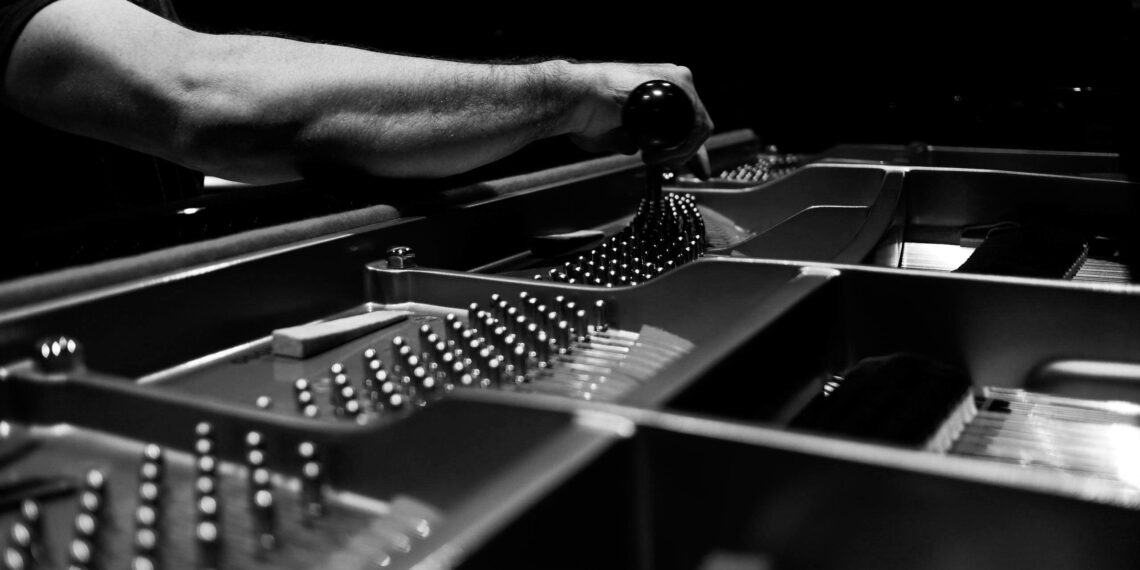
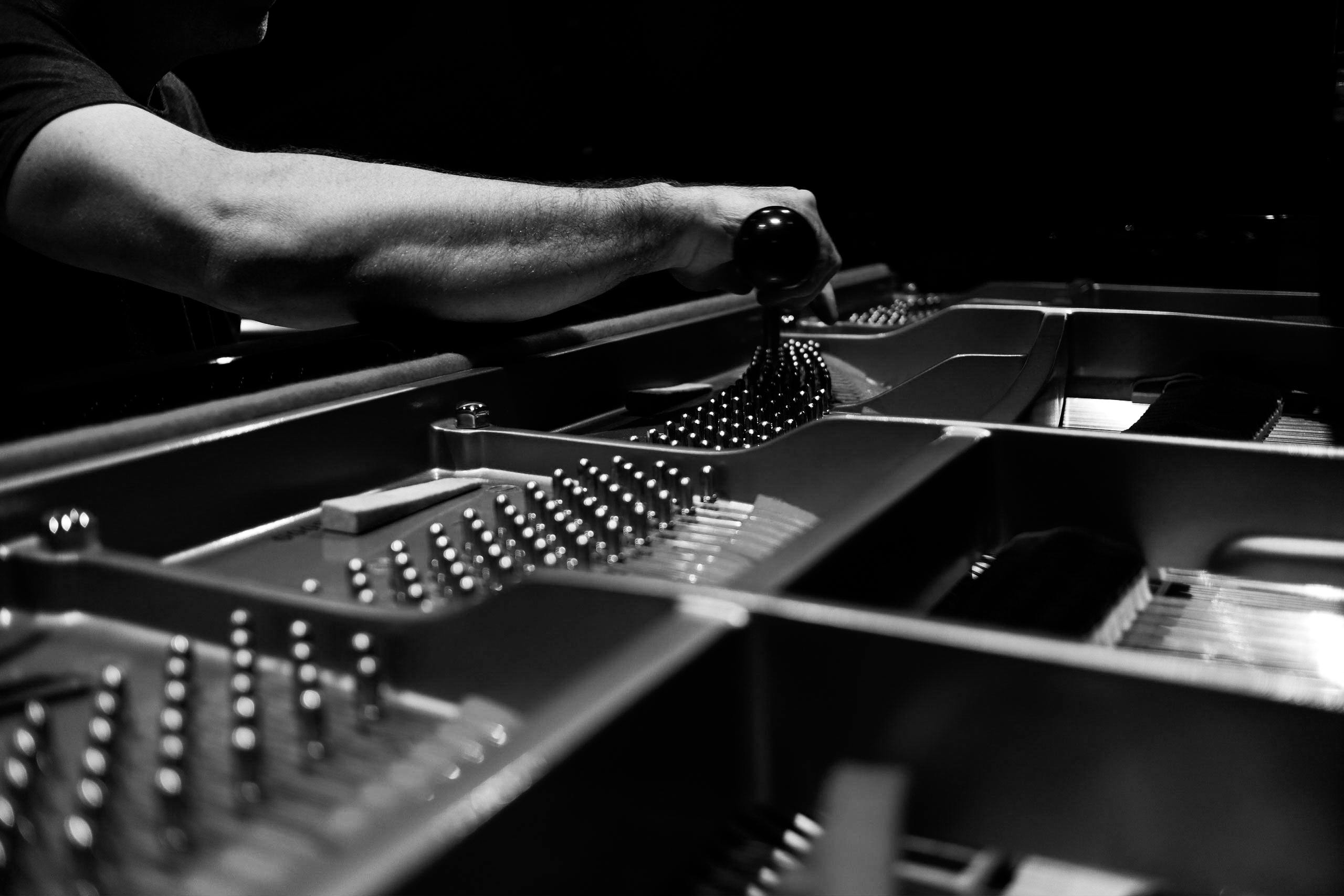
The grand piano is an exceptional instrument, and tuning it is an art that requires precision, a fine ear, and experience. While it's possible to attempt tuning yourself, the best way to preserve the accuracy and longevity of your instrument remains to hire a professional tuner. Here's why, and how this specialist goes about restoring your piano's full musicality.
Why entrust the tuning to a professional?
- Instrument protection : an improperly executed tuning can damage the tuning pins, strings or hammers.
- Perfect accuracy : the tuner masters equal temperament and the subtle adjustments that produce a rich sound.
- Time saving : a professional tunes in 1 to 2 hours, whereas an amateur can spend a whole day.
- Trained ear Beyond the tools, it is the auditory experience that makes the difference.
The method of a professional tuner
Preliminary assessment
The tuner begins by listening and playing several notes to assess the overall state of the tuning and identify unstable strings.
Temperature control
He allows the piano to adapt to the temperature and humidity of the room, in order to avoid rapid dissonance after intervention.
A4 Agreement
Traditionally, he uses a tuning fork to set the reference to 440 Hz, but some use a electronic tuner for greater consistency.
Equal temperament
From this reference note, he tunes the other notes by intervals (fifths, fourths, octaves) while ensuring harmonic balance.
Finishing touches and double check
Each string is checked, adjusted if necessary, then the tuning is stabilized to last several months.
Tools that can be found at a professional's shop
Even though the tuner works primarily by ear, he may use:
- Diapason A440 : universal sound reference.
- Electronic tuner : to refine certain notes or in a noisy environment.
(For your information, you can find these tools on Amazon, for example a electronic tuner or a tuning fork, (useful for verifying the agreement between two interventions.)
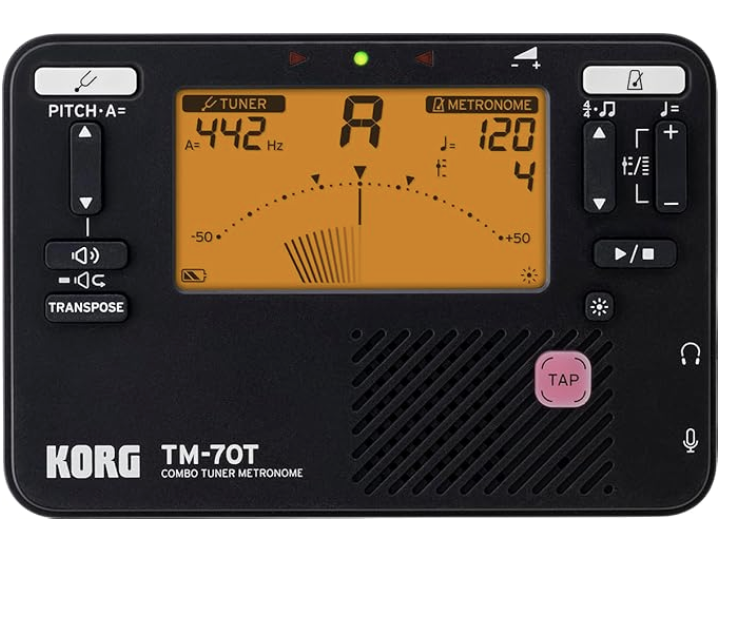
Chromatic Tuner
Korg TM70
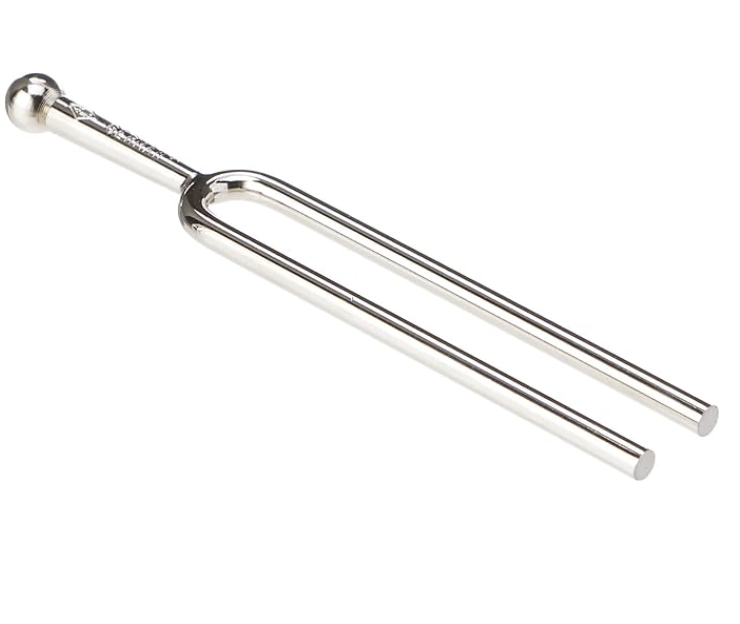
Tuning fork
The 440Hz
When should you tune your grand piano?
- Ideally twice a year (spring and autumn).
- After a move or significant change in climate.
- Before a concert or recording session.
Tuning a grand piano isn't just about accuracy; it's about preserving the sound quality and mechanics of an instrument that can last a lifetime. To guarantee optimal results, contact a professional. professional tuner near you. He will restore all the harmonic richness to your piano, with the care and precision it deserves.