




The best metronomes for pianists
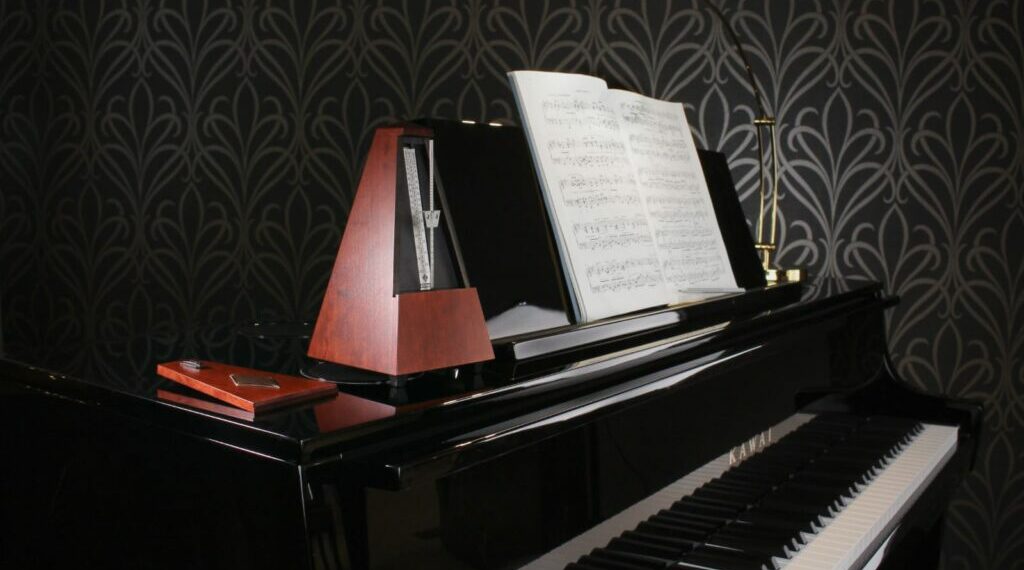
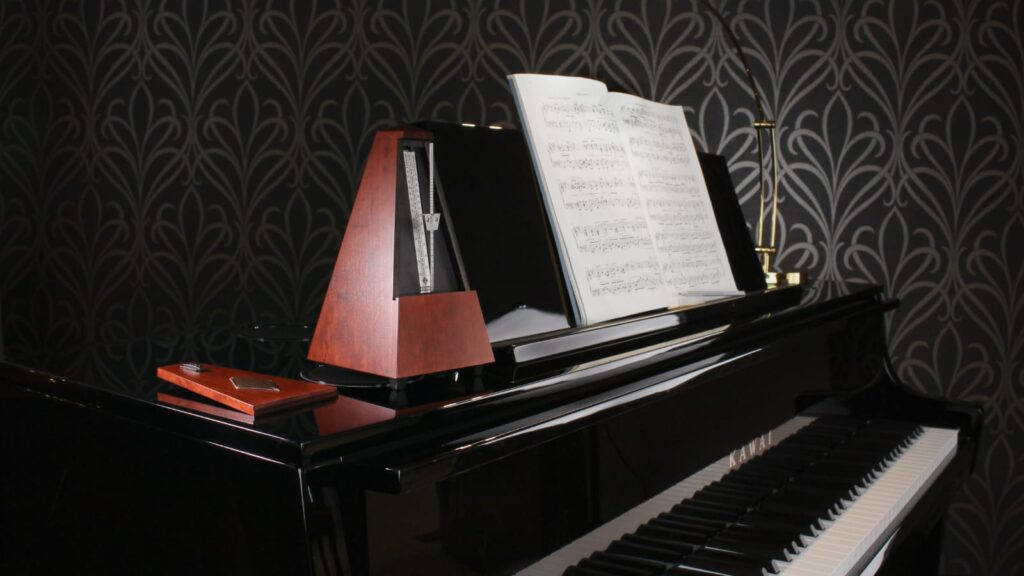
Whether you're a beginner or an experienced pianist, a metronome is one of the most useful tools for making progress. It allows you to work on your rhythmic precision, improve your sense of time, and gain better technical accuracy.
Today, there are many models available: mechanical, electronic, or even mobile applications. But which one should you choose?
In this guide, discover our selection of the best metronomes for piano, as well as our advice on finding the model best suited to your level.
Why use a metronome?
A metronome is not only used to maintain a tempo.
It also allows you to:
- improve the regularity of the game; ;
- develop hand independence; ;
- work on the technical passages; ;
- prepare for an exam or a concert; ;
- avoid involuntary accelerations.
Most piano teachers recommend its use from the early years of learning.
Our selection of the best metronomes
| Model | Kind | Ideal for | Our opinion |
|---|---|---|---|
| Korg MA-2 | Electronic | Beginners | ⭐ Excellent value for money |
| Wittner Taktell Super Mini | Mechanical | Classic | ⭐ The great classic |
| Boss DB-90 Dr. Beat | Electronic | Advanced pianists | ⭐ The most complete |
| Korg TM-60 | Metronome + Tuner | Multi-instrumentalists | ⭐ Very versatile |
| Thomann Metronome | Electronic | Small budget | ⭐ Excellent first purchase |
1. Korg MA-2: the best value for money
The Korg MA-2 is probably the most popular electronic metronome.
We like
- very readable screen
- numerous tempos
- adjustable volume
- significant autonomy
- very compact
Ideal for conservatory students.
2. Wittner Taktell Super Mini
It is impossible to talk about metronomes without mentioning Wittner.
This mechanical model operates without batteries.
It offers:
- a very precise pendulum
- a timeless design
- excellent reliability
It is particularly appreciated by classical pianists.
3. Boss DB-90 Dr. Beat
The Boss DB-90 is a true professional tool.
It has:
- several rhythmic signatures
- subdivision of tempo
- integrated memory
- headphone connection
This is an excellent choice for experienced pianists.
4. Korg TM-60
The Korg TM-60 combines two essential accessories:
- metronome
- electronic tuner
Very practical if you also play another instrument.
5. Thomann Metronome
If your budget is limited, the Thomann metronome is an excellent alternative.
Simple, efficient and economical, it will be perfect for beginners.
Mechanical or electronic metronome?
The mechanical metronome
Benefits
- works without batteries
- very aesthetic
- silent, off-beat
- long lifespan
Disadvantages
- fewer features
- bulky
- limited tempo
The electronic metronome
Benefits
- very precise
- numerous rhythms
- compact
- digital display
- headphone jack
Disadvantages
- operates on batteries
- less aesthetic
Criteria for making the right choice
The precision
All the models presented offer excellent accuracy.
The sound volume
An adjustable volume is essential if you are playing on a grand piano.
Available rhythms
Advanced models allow you to work with:
- binary
- ternary
- compound measures
- polyrhythms
The display
A backlit LCD screen makes reading easier.
Our recommendation
| Profile | Recommended model |
|---|---|
| Beginner | Korg MA-2 |
| Conservatory | Wittner Taktell |
| Accomplished pianist | Boss DB-90 |
| Small budget | Thomann Metronome |
| Versatile | Korg TM-60 |
Mobile apps or a real metronome?
There are many free applications available today.
However, a real metronome is still preferable:
- more precise
- no notification
- better ergonomics
- more reliable
For serious piano practice, a dedicated model remains the best choice.