




History of the grand piano
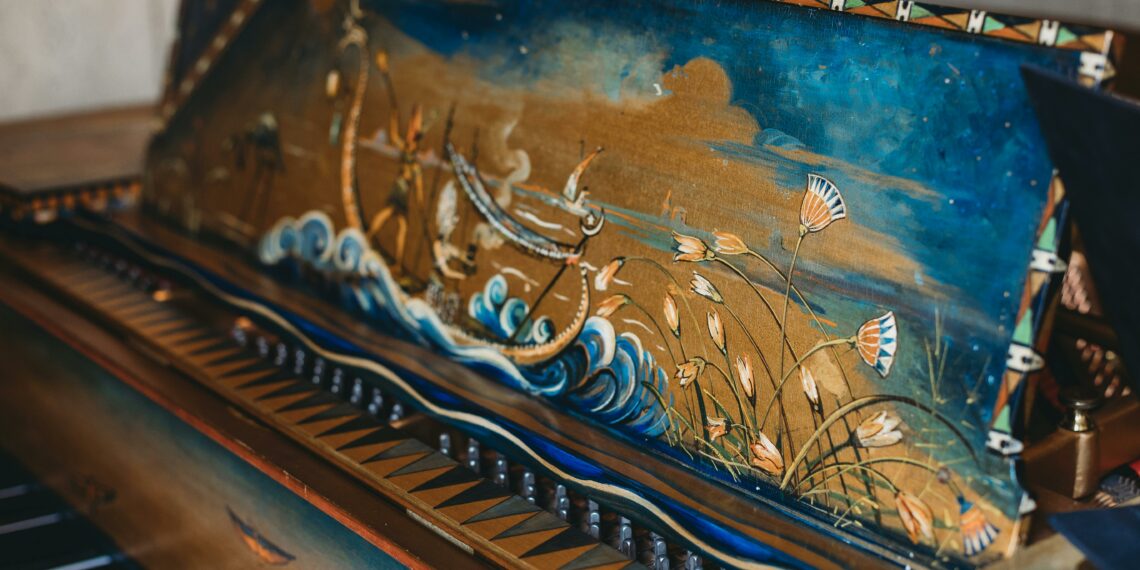
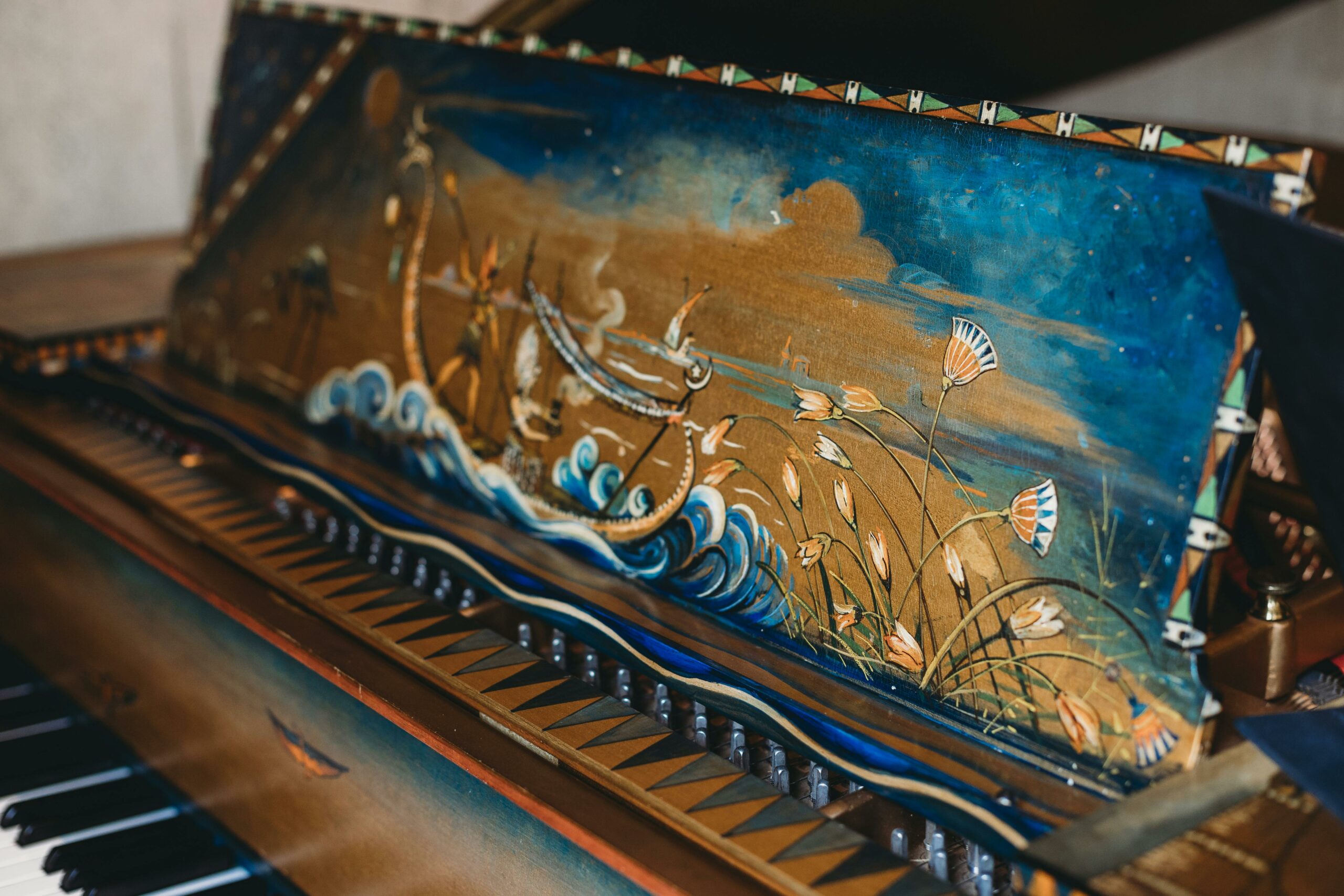
The grand piano, a symbol of elegance and virtuosity, is the product of more than three centuries of innovation. From its beginnings in 18th-century Italy to modern models equipped with digital technologies, its history is as rich as its sound.
Let's dive into this musical journey through time… 🎹
1. The origins (1700 – 1800)
- Inventor : Bartolomeo Cristofori, an Italian instrument maker, created around 1700 the first “gravicembalo col piano e forte” (clavichord capable of playing loudly and softly).
- Major difference : compared to the harpsichord, the piano allows the volume to be modulated according to the force of the strike.
- First models : similar in shape to harpsichords but with leather-covered hammers.
2. The Romantic Rise (1800 – 1900)
- Major brands Steinway & Sons, Bösendorfer, and Bechstein were founded.
- New innovations : metal frame, crossed strings, more precise mechanics.
- The virtuosos : Franz Liszt and Frédéric Chopin made the piano a central instrument in concerts.
3. The Golden Age of the Grand Piano (1900 – 1970)
- Global expansion : the piano becomes a symbol of prestige in bourgeois living rooms.
- Legendary concerts Vladimir Horowitz, Arthur Rubinstein and Sviatoslav Richter made history.
- Technical innovations Lighter materials, more powerful sound, faster action.
4. The grand piano today
- Hybrid technologies Yamaha Disklavier, Steinway Spirio… Pianos that play by themselves or connect to the Internet.
- modern designs : models with futuristic shapes, customized for artists and collectors.
- A prestigious market : some pianos cost over a million euros.
From Cristofori to today's connected models, the grand piano has managed to traverse the ages while retaining its aura and prestige.